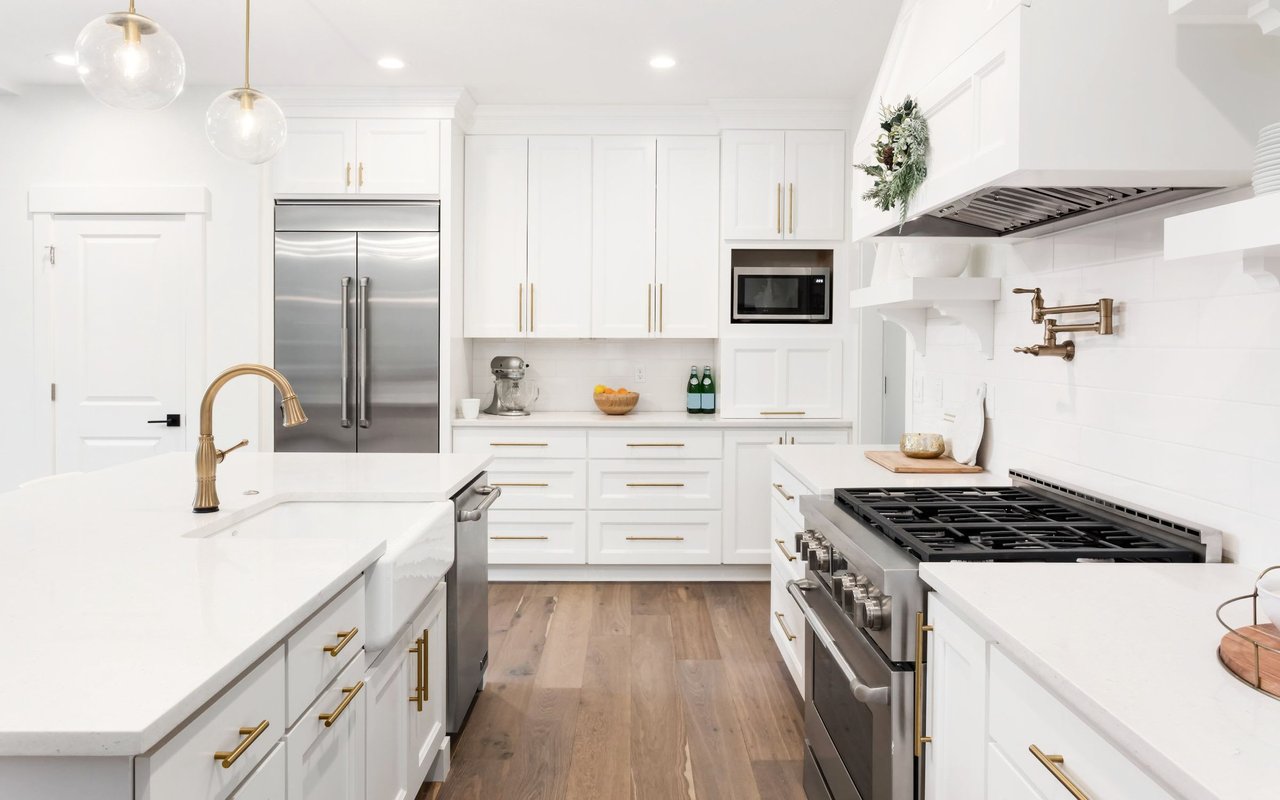
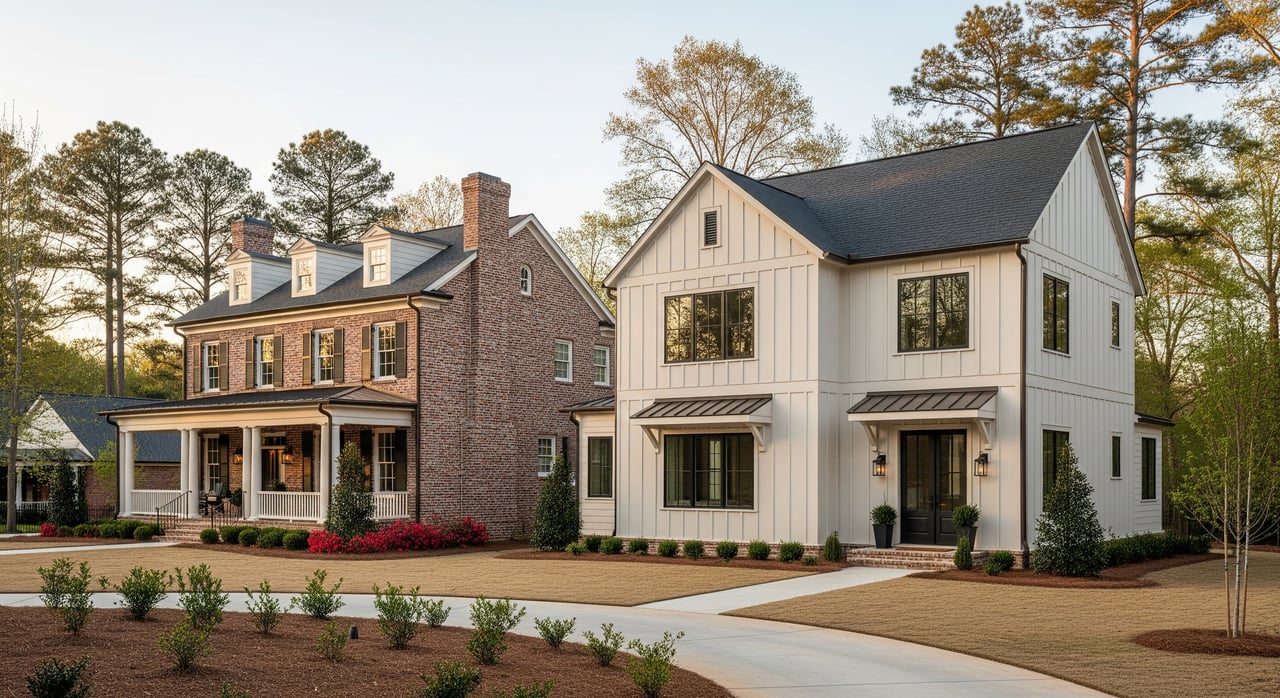
Thinking about buying in Lexington and torn between the shine of a brand-new home and the charm of a resale? You are not alone. Each path comes with tradeoffs on timing, costs, warranties, HOA rules, and even how an appraisal could affect your loan. In this guide, you will learn what really differs in Lexington, how to avoid common pitfalls, and how to match your choice to your timeline and budget. Let’s dive in.
New vs. resale at a glance
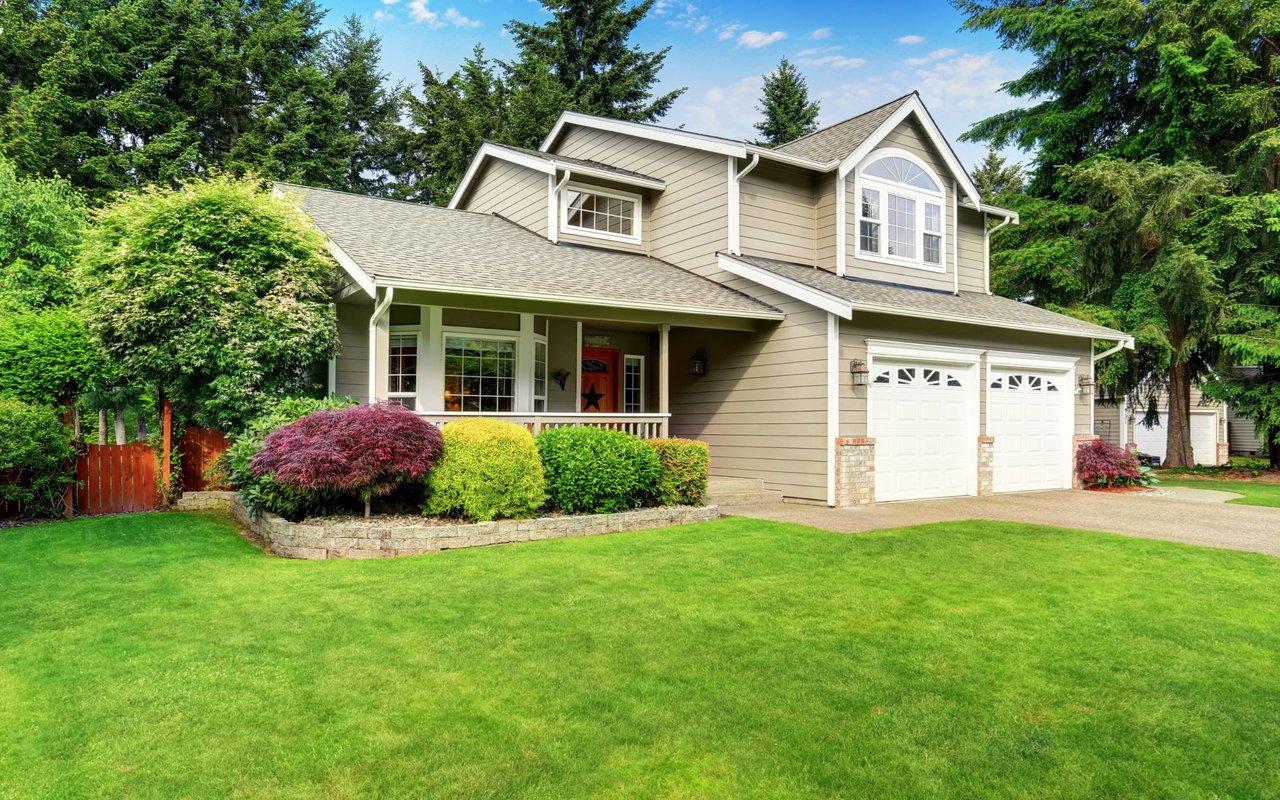
- New construction often means modern layouts, energy-efficient systems, and the chance to personalize finishes. You trade speed for customization, and you take on more steps during the build.
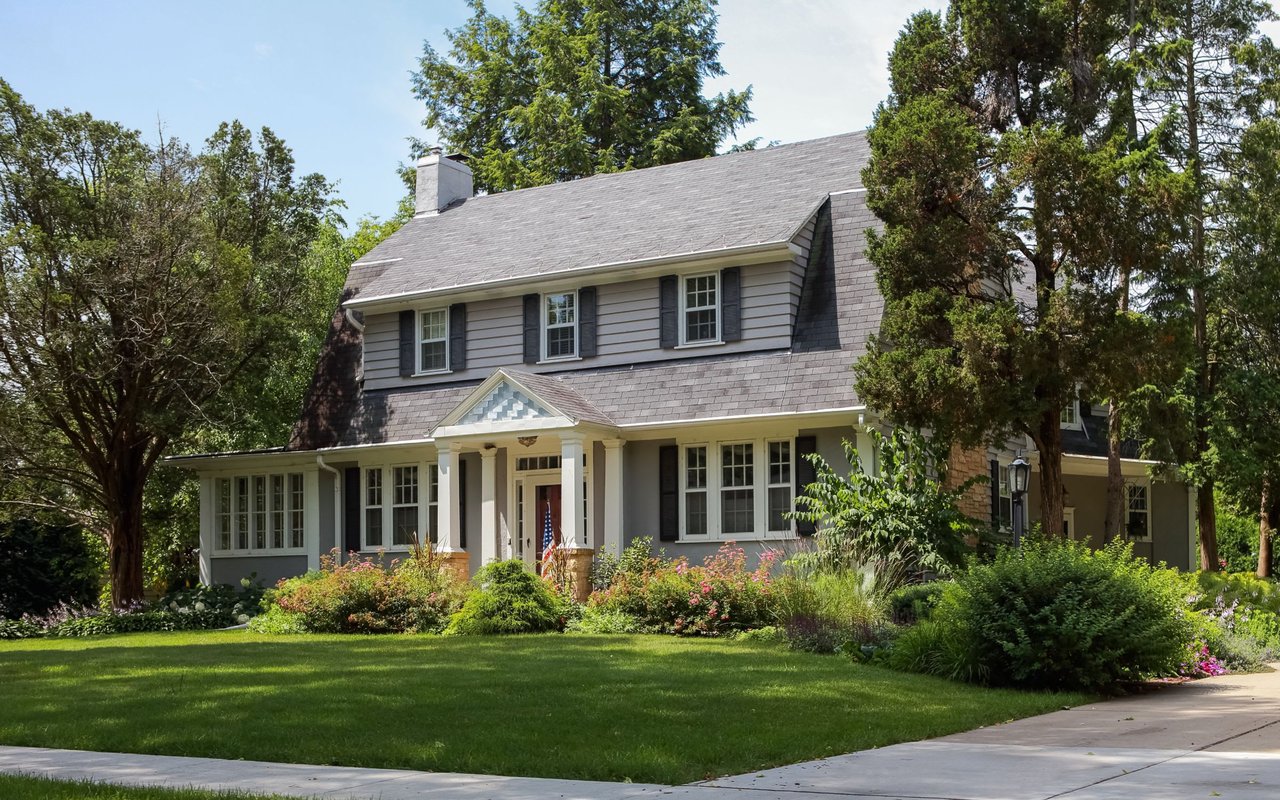
- Resale usually offers faster closings, established neighborhoods with mature landscaping, and clearer comparable sales for appraisals. You trade some customization for convenience and may budget for repairs or updates.
Timelines and move-in speed
- Resale homes in Lexington commonly close in about 30 to 45 days once under contract. Your lender, appraisal timing, and inspection negotiations can affect this window.
- Spec new homes that are under construction or nearly complete can close in a few weeks to a few months, depending on build stage and lender readiness.
- Build-to-order or custom homes often take 4 to 9 months for modest to mid-size plans. Larger custom builds may run 9 to 18 months or more. Lot prep, permitting, and weather can add time.
Rate risk and holding costs
If you build, your timeline exposes you to interest-rate changes before closing unless you secure a longer rate lock through your lender. You may also carry holding costs, such as rent or a second mortgage, while you wait. Talk with your lender early about rate-lock options and how delays are handled.
Financing basics
- Resale buyers typically use conventional, FHA, VA, or USDA loans based on eligibility.
- New construction buyers have a few paths:
- Construction-to-permanent loans combine the build and mortgage into a single closing. You pay interest during construction, then convert to a standard mortgage when the home is complete.
- Two-close loans finance the lot and the build in separate loans. This can be more complex and sometimes more costly.
- FHA and VA can work for new homes but often include extra appraisal and inspection steps. Availability varies by lender, so ask early.
Inspections and warranties
Even new homes need independent oversight.
- New construction inspections: Hire an inspector for phased checks, such as pre-drywall and final. Consider additional inspections if the build is complex. Verify that permits were pulled and passed local code checks.
- Resale inspections: Plan a full home inspection and a termite and wood-destroying insect inspection, which is common in South Carolina. Add specialists as needed for roof, foundation, septic, or pool.
What warranties really cover
Most builders offer a layered warranty, but details vary by company and provider:
- Workmanship and materials often have about 1 year of coverage.
- Systems like HVAC, plumbing, and electrical may have 1 to 2 years of coverage.
- Structural components often have longer coverage, commonly up to 10 years through a third-party provider.
Ask who backs the warranty, what is covered or excluded, how to file a claim, whether it is transferable, and the deadlines for service requests. Expect minor items after move-in, such as paint touch-ups or settlement cracking, and follow the builder’s punch-list process.
Lots, HOAs, and amenities in Lexington
Lexington offers a mix of established neighborhoods, riverfront and golf communities, and active new development on the outskirts.
- Established areas and amenity communities often have larger lots, mature trees, and more varied parcel shapes. Communities known for river or golf access can come with higher HOA dues and more detailed design standards.
- New subdivisions commonly target higher lot density, which may mean smaller yards and narrower setbacks. This can reduce yard maintenance but also changes privacy and outdoor space.
HOA tradeoffs to understand
High-amenity neighborhoods with features like pools, tennis, trails, or marina access typically charge higher dues and follow stricter covenants for design, exterior materials, landscaping standards, and rental policies. Lower-amenity communities often have lower dues but fewer services and potentially less reserve funding.
Request and review the community’s CC&Rs, bylaws, current budget, reserve study, rules, architectural guidelines, and meeting minutes. Ask about:
- Current dues and what they cover
- Any special assessments, planned or recent
- Reserve fund health and the date of the last reserve study
- Architectural approval steps for exterior changes
- Rental and pet rules
- Amenity hours, guest policies, and enforcement procedures
A local example
Communities along the river and golf corridors, such as Saluda River Club, are widely recognized for lifestyle amenities and HOA structures. These settings often pair amenities with larger lots and correspondingly higher dues. Always verify current lot sizes, fees, and rules directly with the HOA and county records before you make decisions.
Appraisals and valuation
Lenders rely on appraisals to confirm value based on recent comparable sales. If the appraisal comes in below the contract price, you may need to renegotiate or bring cash to closing.
- New construction challenges: Unique floor plans, lot premiums, and extensive upgrades can be hard to match with recent comps. Builder incentives complicate how appraisers reconcile contract price and market value. In neighborhoods with frequent new-home closings, appraisers usually have better comps.
- Resale considerations: Appraisers often have more established comps, but condition differences and non-standard features still require adjustments.
Tips to reduce appraisal risk
- Ask for recent comparable sales and a list of upgrades, then share that package with the appraiser through your agent and lender.
- Avoid waiving your appraisal contingency unless you can cover a potential gap.
- If a builder offers an appraisal-gap or pricing guarantee, read the limits carefully.
Contracts, negotiation, and representation
Builder contracts usually favor the builder and differ from standard resale contracts. A buyer’s agent who understands new construction in Lexington can help you navigate key terms and negotiate concessions.
What to review and negotiate
- Earnest money amount and refundability, especially before permits or construction begin
- Construction schedule, definition of substantial completion, and any delay penalties
- Change order costs and how upgrades affect price and timeline
- Rights to independent inspections and site access during the build
- Punch-list process, final acceptance, and any retention arrangement
- Warranty details, including who backs the structural coverage
- Appraisal and financing contingency language
- HOA initiation fees and any special assessments tied to the lot
In South Carolina, agency disclosure rules clarify who represents whom. Builder sales teams represent the builder’s interests. You deserve your own representation to protect your interests, coordinate inspections, and keep documentation tight for appraisal support.
What fits your goals
- Choose new construction if you value modern design, energy efficiency, and the ability to personalize finishes, and you can manage a longer timeline and potential rate risk.
- Choose resale if you want a faster move, prefer established neighborhoods with mature landscaping, and want clearer comp data for valuation.
If you are selling one home while buying another, factor in your move-out date, temporary housing options, and rate-lock strategy. The right pick balances convenience, cost control, and long-term value.
Tour-ready checklists
Use these lists when you visit model homes or tour resales. Bring them along so you can compare apples to apples.
Universal checklist
- Confirm school district assignments and commute times
- Request recent comparable sales in the immediate area
- Ask for seller or HOA disclosures as applicable
- Verify property tax history and any reassessment triggers
- Arrange the proper inspection plan for the property type
New construction checklist
- Builder reputation and local references
- Exact lot size, orientation, and any easements
- Estimated build timeline, milestones, and remedies for delays
- Financing options and whether a preferred lender is required
- Warranty specifics, including who backs structural coverage
- List of included features versus upgrades with pricing
- Change-order process and how choices affect schedule
- HOA initiation fees, covenants, and amenity access
- Appraisal contingency approach and how shortfalls are handled
- Final walk-through and punch-list timeline
Resale checklist
- Age and condition of roof, HVAC, plumbing, electrical, and foundation
- Recent improvements and whether permits were pulled
- Termite and wood-destroying insect reports
- Known issues from seller disclosures, including drainage or prior flooding
- HOA rules and fees if applicable, plus any pending litigation or assessments
- Typical days on market for the area
- Inspection contingency terms and negotiation thresholds
Ready to talk through your plan or tour both options side by side? Connect with Chad Jones to map out timelines, financing, and neighborhood fits across Lexington and Lake Murray.
FAQs
Should I waive the appraisal contingency on a new build in Lexington?
- Generally no. Waiving shifts the risk to you if the appraisal comes in low and can require extra cash or limit your ability to renegotiate.
Do upgrades in a new Lexington build always appraise higher?
- Not always. Appraisers adjust to recent comparable sales, so high-end upgrades may not be fully reflected if comps do not support the premium.
Are builder warranties enough protection for buyers?
- Warranties help but vary by sponsor; third-party structural coverage is typically stronger than builder self-insurance, so read terms and claim steps closely.
Do I need a buyer’s agent when purchasing new construction?
- Yes. A local agent can explain contract terms, negotiate pricing or upgrades, coordinate phased inspections, and help assemble comps for appraisal support.
Are riverfront or golf community lots worth the premium?
- Premiums reflect amenities, views, and often larger lots; long-term value depends on market demand, HOA rules, and community upkeep, so verify floodplain and use rights before committing.